Fotona 4D Laser Facial (TimeWalker) in Encino, CA: The Science Behind the Glow
@lanemvqn468
October 22, 2026 · 16 min read
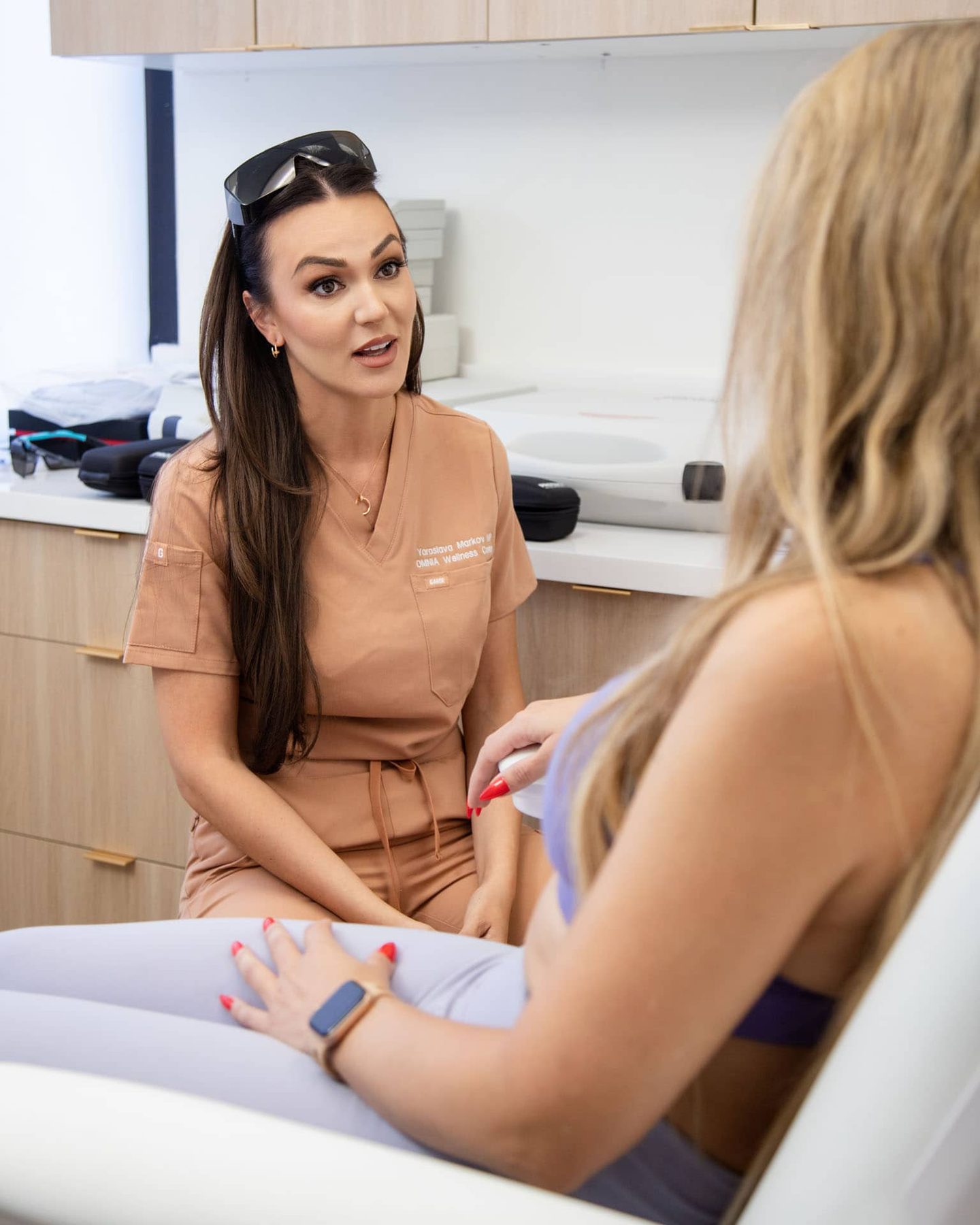
A lot of facial rejuvenation treatments promise “radiance,” but that word can mean almost anything. In a clinical setting, the glow people notice after a well-executed laser treatment is not magic, and it is not just temporary surface polish. It usually comes from a mix of better light reflection off the skin, improved texture, a modest tightening effect, and a healthier pattern of collagen remodeling underneath. The Fotona 4D Laser Facial, often associated with the TimeWalker platform, is popular for exactly that reason. It aims to improve several layers of the skin and soft tissue in one treatment sequence instead of chasing one isolated concern at a time.
In Encino, where patients often want visible results without stepping into obviously surgical territory, that appeal makes sense. Many people are looking for treatment that helps with laxity, dullness, fine lines, crepey texture, and lower-face softness, but they also want a reasonable recovery window. The Fotona 4D Laser Facial (TimeWalker) Encino, CA conversation often starts there, with patients asking whether this is a “laser facial” in the casual spa sense or a real medical treatment with measurable effects. The honest answer is that it is both more sophisticated and more nuanced than the name suggests.
Why Fotona 4D feels different from a standard laser facial
Traditional facials mostly work at the level of cleansing, exfoliation, hydration, and short-lived plumping. Even many light-based skin treatments are focused on one target, such as redness, pigment, or surface texture. Fotona 4D stands apart because it layers several modes of laser energy into one protocol, each chosen for a different tissue depth and a different biological response.
That matters because facial aging does not happen in one plane. Skin gets rougher on the surface. Collagen thins. Elasticity drops. The support around the mouth and jawline softens. Fine lines may start as motion-based etching and later become visible at rest. A treatment that only resurfaces the topmost layer can help the skin look brighter, but it may not do much for early laxity. A treatment that only heats deeper tissue may tighten subtly, but if the skin surface still looks dull or uneven, patients may not feel they got the full refresh they wanted.
The strength of Fotona 4D is that it tries to address these issues in a sequence. It is not a facelift, and experienced clinicians should say that plainly. Still, for the right patient, it can create the kind of rested, polished improvement that reads well in real life and on camera.
What “4D” actually refers to
The “4D” label is marketing language, but it is rooted in a real treatment design. The protocol generally combines four treatment dimensions, each using a different approach to deliver heat where it is needed. Depending on the provider, the exact settings and emphasis can vary. That flexibility is useful, because not every face needs the same balance of tightening, resurfacing, and texture correction.
A common Fotona 4D sequence includes an intraoral treatment, a fractional step, a deeper bulk-heating step, and a lighter polishing pass. These are often known by proprietary names such as SmoothLiftin, FRAC3, PIANO, and SupErficial. You do not need to memorize the names to understand the concept. What matters is that one step targets tissue from inside the mouth, some steps target deeper dermal support, and another focuses more on the skin’s outer appearance.
That inside-the-mouth component is one reason the treatment gets attention. It sounds unusual the first time patients hear about it, but there is logic behind it. By heating tissue from the mucosal side of the cheeks and around the mouth, the laser can stimulate contraction and remodeling in areas that contribute to nasolabial folds, perioral lines, and lower-face softness. It is not invasive surgery. There are no incisions. But it is also not a superficial pampering treatment.
The science behind the visible glow
When skin looks better after a laser treatment, several things may be happening at once. The first is optical. Smoother skin reflects light more evenly. That alone can make the complexion appear brighter and healthier. The second is structural. Controlled thermal injury can stimulate fibroblasts, the cells involved in producing collagen and other extracellular matrix components. The third is circulatory and inflammatory. A well-calibrated wound-healing response can bring temporary pinkness and fullness, followed by longer-term remodeling.
The key phrase there is “well-calibrated.” Good laser treatment is not about blasting the skin with as much heat as possible. It is about delivering enough energy to trigger repair without causing unnecessary damage or prolonged recovery. Different laser modes create different tissue effects. Some heat columns of skin while leaving surrounding tissue intact, which supports faster healing. Some create deeper, gentler bulk heating rather than obvious surface injury. When providers talk about collagen stimulation, this is what they mean in practical terms: the skin is encouraged to rebuild in a more organized way over the following weeks and months.
For patients, the timeline matters. You may see an immediate post-treatment freshness from mild swelling, smoothing, and better hydration practices after the appointment. The more durable benefit tends to emerge gradually. Texture can refine over several weeks. Soft tightening may continue to evolve over two to three months or longer, depending on the treatment intensity, the patient’s age, and the baseline quality of the skin.
That is one reason realistic counseling is important. If someone comes in expecting the dramatic one-day transformation of heavy makeup or injectable contouring, they may miss the kind of improvement this laser is actually built to deliver. Fotona 4D shines when the goal is believable rejuvenation, not a radically altered face.
How the treatment works across facial layers
The intraoral step often surprises people most, but clinically it is one of the more interesting parts of the protocol. By treating from inside the mouth, the provider can heat tissue in the cheek and perioral region without breaking the outer skin barrier in that area. Patients often describe it as warm, odd, and tolerable. The sensation is different from the rest of the facial passes, but usually not painful when done properly.
The deeper heating phases are designed to warm dermal and subdermal structures. Think of this less as “burning fat” and more as creating a tightening and remodeling signal in tissue that has started to lose snap. This is where patient selection matters. Someone with mild to moderate laxity may notice a satisfying improvement in firmness and contour. Someone with significant jowling or more advanced neck laxity may like the skin quality changes but still need other treatments, or even surgery, if lifting is the primary goal.
The more superficial pass helps refine the outermost appearance of the skin. This can improve roughness, enlarge the look of pores less dramatically than an aggressive resurfacing laser but with less downtime, and give that polished finish many patients associate with the “glow.” If the settings are conservative, recovery is usually manageable. If the settings are more intensive, there may be more redness and a sandpapery feel for several days.
What a session in Encino often looks like
In a busy aesthetic practice, the treatment usually begins with photographs and a clear review of priorities. Some patients care most about fine lines around the mouth. Others are bothered by cheek creasing, lower-face heaviness, or a tired texture that makeup no longer sits well on. Those details affect the plan.
The face is cleansed thoroughly. Eye protection is used. Some clinics apply topical numbing for portions of the treatment, while others rely on cooling, oral comfort measures, or the fact that certain Fotona modes are generally well tolerated. Treatment time can vary, but many appointments fall somewhere around 45 to 75 minutes, especially if full-face work is combined with neck treatment or if a very customized protocol is used.
During treatment, patients often notice a cycle of warmth, quick snapping sensations, and intermittent heat buildup. The intraoral step feels different from the external passes, but it is usually brief. Afterward, the skin may look pink to red, and there can be mild puffiness. Many people return to normal activities quickly, though “no downtime” is not quite the right phrase for everyone. If you have an important event the next day, caution is smart. If you have an event in two weeks, that is usually much more comfortable timing.
Who tends to do well with Fotona 4D
The best candidates are often patients in that middle zone of aging. They want more than a hydrating facial or a basic peel, but they are not ready for surgery and may not need it. They often have mild to moderate skin laxity, textural change, early perioral lines, and a complexion that has lost some bounce.
A few patient profiles frequently do well:
- people noticing early lower-face softening or smile-line deepening
- patients who want collagen support with limited social downtime
- men and women who prefer gradual, natural-looking improvement
- patients combining laser rejuvenation with a broader maintenance plan
- those seeking a noninvasive option before considering surgical procedures
Skin type, medical history, active acne, melasma tendency, cold sore history, medication use, and recent sun exposure all matter. A careful consultation should cover these details. In Southern California, where sun exposure is part of everyday life, pre-treatment planning around tanning and diligent sunscreen use is especially important.
Fotona 4D Laser Facial (TimeWalker) Encino, CAWhere it fits compared with other aesthetic treatments
One common source of confusion is whether Fotona 4D should replace injectables, microneedling, radiofrequency, or surgery. Usually, the answer is no. It occupies its own lane.
Botulinum toxin softens dynamic movement lines. Fillers restore volume or contour. Microneedling improves texture and can stimulate collagen, though by a different mechanism and often at a different intensity. Radiofrequency-based devices heat tissue in a non-laser format and can be useful for tightening. Ablative lasers can produce more dramatic resurfacing in the right patient, but often with more downtime and more risk. Surgery remains the gold standard for significant structural lifting.
Fotona 4D often works best as part of a strategy, not as a miracle substitute for every other modality. A patient with etched upper lip lines, mild cheek laxity, and rough texture might get excellent value from Fotona 4D, then maintain motion lines with neuromodulators and volume balance with conservative filler. Another patient might use Fotona 4D seasonally as a collagen-supporting treatment while skipping injectables altogether. Both approaches can be reasonable.
In practice, good outcomes come from matching the technology to the anatomy, not from forcing one device to solve everything.
The trade-offs that experienced providers discuss openly
Every treatment has trade-offs, and the clinics that get the best long-term trust are usually the ones that explain them clearly.
Fotona 4D is attractive because it can improve several concerns at once with a manageable recovery period. The trade-off is that results are often subtler than aggressive resurfacing or surgery. Patients who want dramatic tightening in one visit may be underwhelmed. Patients who understand that a series, or at least periodic maintenance, may be needed are usually much happier.
Another trade-off is variability. The device is powerful, but outcomes depend heavily on settings, provider judgment, and consistency. Two people can say they had a “Fotona 4D laser facial” and have very different experiences because the intensity, number of passes, and treatment goals differed. That is why before-and-after photographs from the actual practice, not generic manufacturer imagery, matter.
There is also the question of discomfort. Some patients breeze through it. Others find certain steps quite warm. Pain tolerance, treatment intensity, and the anatomic area being treated all make a difference. A skilled team manages this well, but no energy-based procedure is completely sensation-free for every person.
Recovery is usually straightforward, but not identical for everyone
Most people leave the office flushed, warm, and a little puffy. By the next day, that may settle into mild pinkness or dryness. Some describe the texture afterward as lightly sandpapery for a few days. Makeup can often be resumed quickly, though the exact timing should follow your provider’s advice and the intensity of your treatment.
The patients who struggle most with recovery are often not those who had the strongest settings, but those who expected zero visible aftermath. Even modest redness can feel surprising if the consultation oversold convenience. I have found that people do best when they plan for a low-key evening, keep their skincare simple, and avoid the temptation to exfoliate away every flake the moment it appears.
Useful aftercare usually includes:
- gentle cleansing and bland moisturizer for the first few days
- strict sun protection, including daily SPF and heat avoidance
- pausing strong actives such as retinoids or acids until cleared
- avoiding picking, scrubbing, or aggressive devices at home
- contacting the office promptly if swelling, blistering, or persistent irritation feels unusual
Those steps sound basic, but they matter. Post-laser skin is more reactive, and good healing habits protect the result.
How many sessions are typically needed
This depends on the starting point and the goal. A single session can absolutely create a refreshed look, especially before a wedding, reunion, or camera-heavy period. But patients seeking collagen remodeling and durable improvement often do better with a series. In many practices, that may mean around three sessions spaced several weeks apart, followed by maintenance once or twice a year. Some people need less. Others, particularly those with more advanced textural change or laxity, may need a broader plan.
The important point is that collagen remodeling is cumulative. If the provider is using conservative settings for safety and comfort, multiple sessions are expected, not a sign that the treatment is weak or ineffective. On the other hand, if someone is being encouraged into an endless package without clear photos or objective progress, it is fair to ask harder questions.
Why provider skill matters as much as the device
A laser platform is only as good as the hands using it. This is especially true for multi-step treatments like Fotona 4D. The provider needs to understand not only how to operate the machine, but how facial anatomy, skin type, aging pattern, and treatment history should influence the plan.
One patient may need more attention to the lower face and perioral area. Another may benefit from lighter resurfacing and more emphasis on deeper heating. Someone with reactive skin may need a staged approach. Someone with melasma history may need careful counseling, pretreatment, and conservative settings to reduce the risk of unwanted pigment change.
This is where local experience matters. A practice offering Fotona 4D Laser Facial (TimeWalker) Encino, CA treatments should be able to explain how they tailor the protocol for different skin tones, sun habits, and downtime tolerance. They should also be candid about what the treatment can and cannot do.
The “glow” people notice is usually layered, not superficial
When patients say they look better after Fotona 4D, they often struggle to explain exactly why. Friends may comment that they look rested, smoother, or somehow healthier. That is often the mark of a treatment that is doing several modest things well rather than one dramatic thing obviously.
The skin may scatter light more evenly. Fine lines may catch less shadow. The tissue around the mouth may feel slightly firmer. Makeup may sit better. Pores may look less prominent. There may be a subtle tightening in areas that had begun to look soft under certain lighting. None of those changes alone is necessarily dramatic. Together, they can create a face that looks refreshed without announcing a procedure.
That is the sweet spot for many aesthetic patients in Encino. They do not want to look “done.” They want the version of themselves that appears well-rested, healthy, and current.
Questions worth asking at a consultation
A worthwhile consultation should go beyond price and scheduling. Ask how the provider customizes the four steps for your concerns. Ask what level of downtime is realistic for the settings they recommend. Ask whether you are a good candidate for this treatment specifically or whether another option would likely serve you better.
It is also reasonable to ask about expected timing of results. If you have an event, mention it early. Some people want a treatment that peaks quickly. Others are planning a longer rejuvenation arc over several months. Those are different conversations.
If you are comparing clinics, pay attention to how precise the answers are. Vague enthusiasm is easy. Clear judgment is rarer and more valuable.
A sensible way to think about Fotona 4D in real life
The most helpful frame is this: Fotona 4D is a noninvasive collagen-focused rejuvenation treatment that can improve skin quality and provide subtle tightening through a combination of internal and external laser passes. It is not a miracle lift. It is not just a facial with a fancy name. It lives in the middle ground, where many of the best modern aesthetic treatments actually belong.
For the right patient, that middle ground is exactly the point. You get meaningful improvement without surgery, without the heavier downtime of more aggressive resurfacing, and without changing the architecture of your face in a way that feels obvious. The glow is real, but the glow is not the whole story. The real value is in the physiology underneath it, controlled heating, collagen signaling, tissue remodeling, and the cumulative effect of treating aging as a layered process rather than a surface flaw.
That is why interest in Fotona 4D Laser Facial (TimeWalker) Encino, CA continues to grow. When done well, it respects both the science of skin and the practical reality of how people want to age now: with visible improvement, minimal drama, and results that still look like their own face.
OMNIA Wellness Center
16430 Ventura Blvd Ste 207, Encino, CA 91436
Phone: +1 818-386-8511
FAQ About Fotona 4D Laser Facial (TimeWalker) Encino, CA
What is a Fotona laser good for?
Fotona lasers support several different aesthetic protocols. The Fotona 4D facial uses two wavelengths and four treatment modes to address concerns such as fine lines, skin texture, and mild laxity. OMNIA Wellness Center offers the TimeWalker facial with an individual consultation. Suitability and likely improvement depend on the person's skin and goals; results are not guaranteed, and this treatment does not reproduce a surgical facelift.
How much does a Fotona laser treatment cost?
The cost depends on the treatment protocol, areas treated, number of sessions, and provider's assessment. Ask OMNIA Wellness Center for a current written quote that explains what is included, whether follow-up is included, and any proposed package terms. An individualized estimate is more useful than assuming that one advertised price applies to every facial treatment.
How much downtime is there after a Fotona laser procedure?
Recovery varies with the specific protocol and intensity. Fotona describes its 4D facial as having little to no downtime, but temporary redness or sensitivity can occur, and a stronger surface treatment can require more recovery. Ask the treating clinician what to expect from the planned settings, how to care for the skin afterward, and when to contact the clinic with concerns.